Leyton Orientear · https://leytonorientear.news/features/wyvern-from-afar-a-love-letter-to-orient-from-a-fan-in-germany-149844
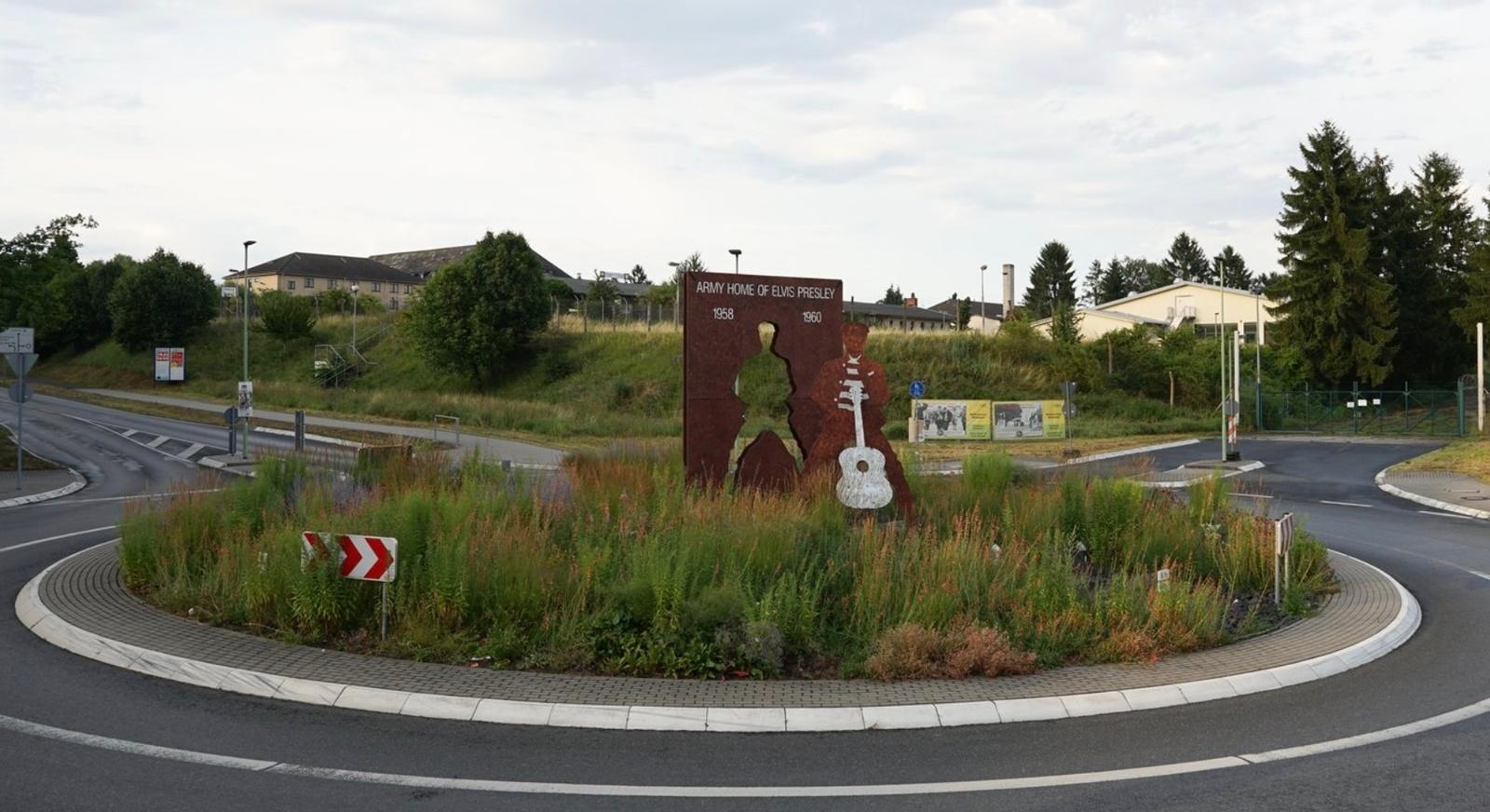

An O From Afar: A Love Letter to Orient from a Fan in Germany
29.09.26, 17:07 Updated 29.09.26, 17:21 3 Minute Read
There are easier ways to be a football supporter than following Leyton Orient when you live in Germany.
You could choose one of the big English clubs. One whose matches regularly appear on television, whose players you recognise from adverts and whose results might even interest your colleagues on Monday morning. A club you can read about every day without having to go looking for the information.
You might choose one from London, perhaps. A club whose stadium you might have visited around 2010 on a school trip, surrounded by a group of teachers and pubescent children.
Tottenham were my school’s itinerary, and West Ham, too. We also saw Twickenham. But when it came to anything involving The Os, there simply wasn’t enough time. Not enough sense of football culture, either. Oh well.
But I chose Leyton Orient. Or perhaps, in some strange way, Leyton Orient chose me. Who knows?

Distance and closeness
It isn't particularly practical. When you live in Germany and support a small English club, you have to construct your own sense of closeness to it. There is no spontaneous trip to the ground on a Saturday afternoon. No “shall we meet for a pint beforehand?” No familiar faces you bump into outside the stadium. Even a home game against an unglamorous opponent isn't part of my normal weekend routine.
There is a distance between Leyton Orient and me that is more than geographical. And yet, sometimes, the club feels remarkably close.
That is partly down to social media, of course. In the past, a supporter in Germany following a club like Orient had to patiently piece together scraps of information – results, brief newspaper reports, perhaps the occasional photograph in a magazine. You depended on your club appearing somewhere at all. Today, all you need is a smartphone.
A goal appears on the screen. A photograph from Brisbane Road. A video from the dressing room. A player standing in front of the supporters after the final whistle. A glimpse of the pitch shortly before kick-off.
You can be there, in a way, without actually being there. Of course, it isn't the same.
I don't want to pretend that a livestream can replace an afternoon in London. It can't. No screen can reproduce the walk to the ground, the noise of a terrace, or the feeling of the people around you celebrating the same goal. But social media has changed the distance. It has turned a distant football club into something that regularly appears in my everyday life.
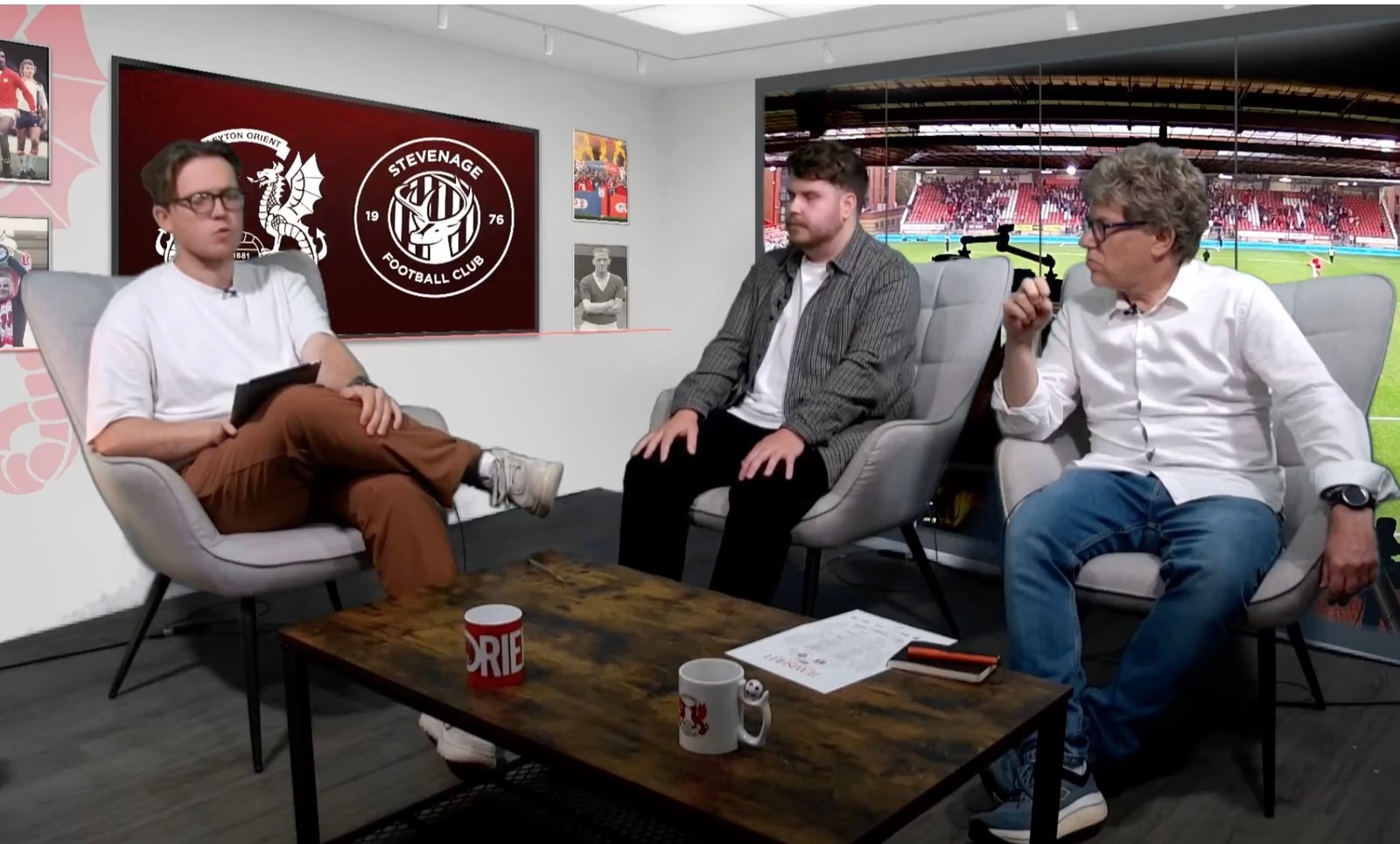

And perhaps that is the strange form of football closeness experienced by a modern overseas supporter. You are far away – and yet constantly there. Maybe that is why I pay so much attention to the things that make a club more than its results.
The colours
Take the colours, for example. Red and white are hardly unusual. Football is full of red-and-white shirts. But club colours don't work like paint samples in a catalogue. Eventually they stop being colours and become memories. Orient's red has long been associated with a particular feeling for me.
It isn't a red that shouts about greatness. To me, it feels warm and grounded. It suits a club that has never needed to pretend to be bigger than it is.
Perhaps that is one of the most appealing things about clubs like Orient: they don't constantly have to justify their existence. They are simply there.
The ground
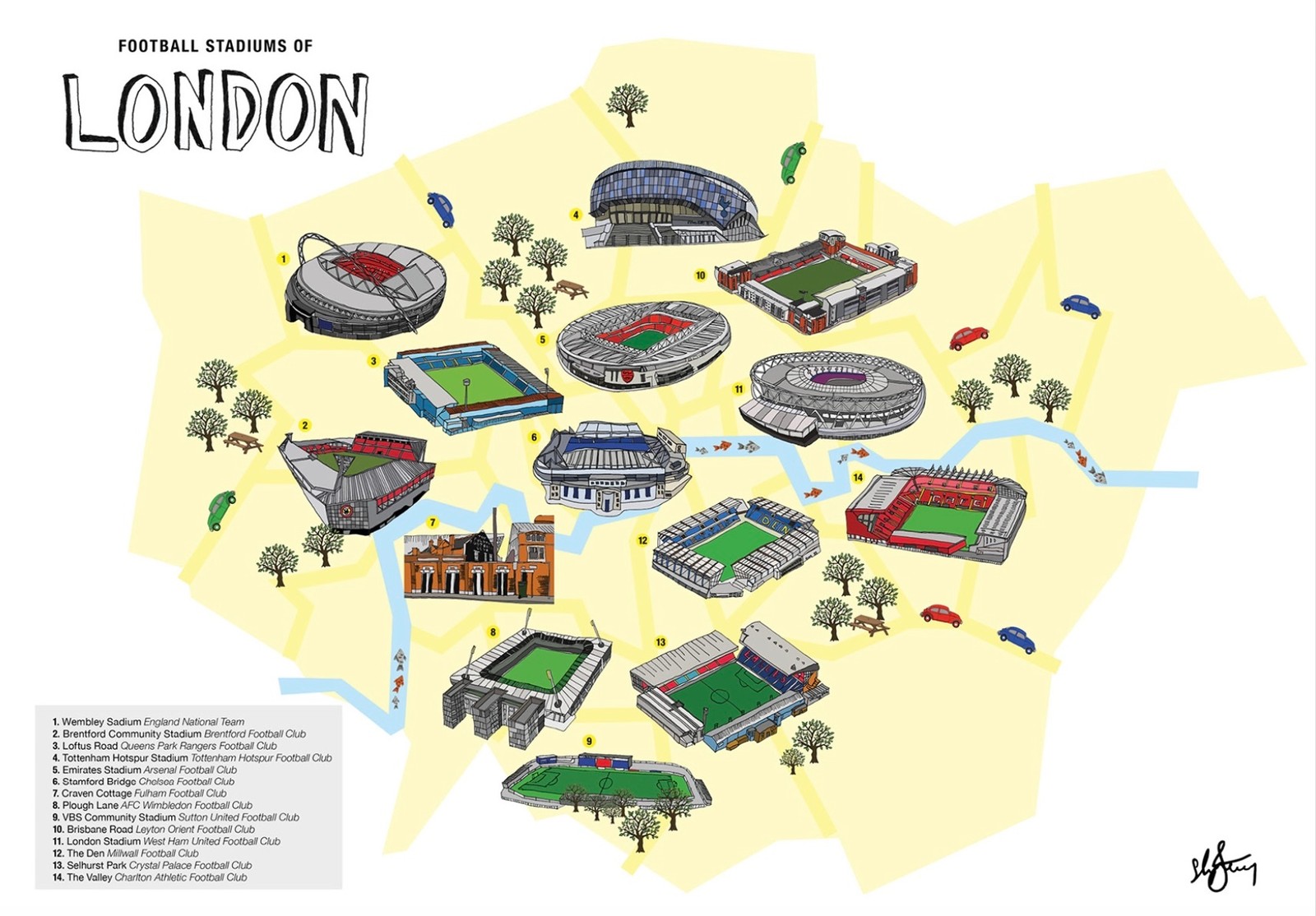
And then there is Brisbane Road.
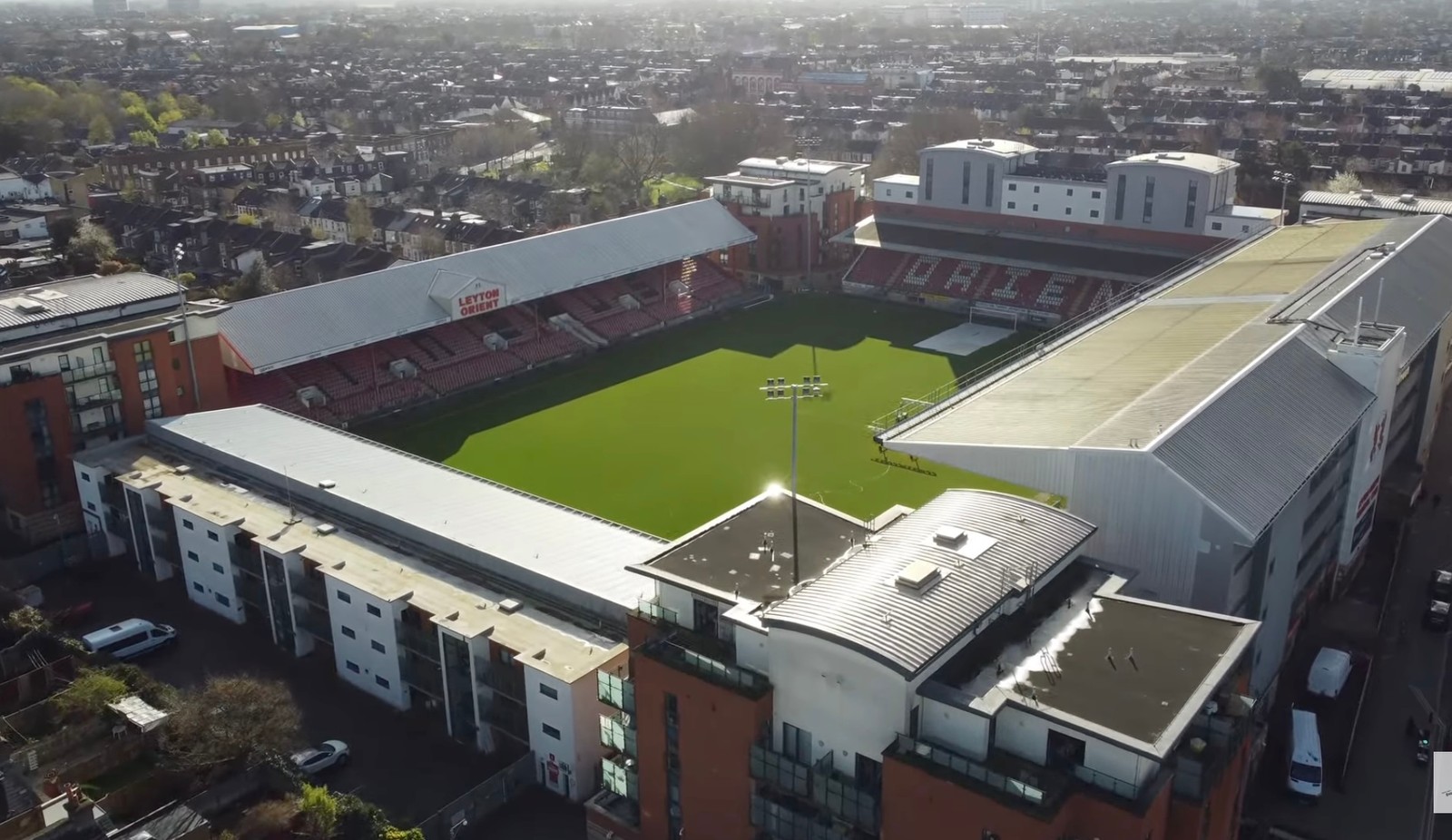
I have a particular weakness for football grounds that don't look as though they were designed as one complete object. Stadia that show their age. Grounds with different stands, little architectural quirks, narrow passages and corners that nobody would probably describe as spectacular. That is exactly what makes them spectacular to me. I like grounds that look as though they have grown over decades. They tell you something about their club.
A modern stadium can be perfect. Straight lines, perfect sightlines, restaurants, hospitality boxes, enormous video screens. But sometimes I miss the feeling that generations of people have stood there before you. Brisbane Road has that feeling for me.
Perhaps that is also because, until now, I have seen the place far more often in photographs – including photographs sent to me by friends – than with my own eyes. From a distance, a football ground develops its own mythology. You collect photographs and impressions and gradually build your own version of the place.I like football grounds that still look like football grounds.

The shirt
Also, I like shirts that still look like football shirts. That is another reason why Orient's shirts fascinate me.
For a supporter living abroad, a shirt is something special. It isn't simply clothing; it is a wearable connection to a place you cannot regularly be. I can wear an Orient shirt in Germany and do something rather impractical: make my support visible. Most people won't recognise the badge. Some might ask which club it is. And I like that question.
“Leyton Orient.” The answer itself says something about why I love football – not necessarily because of the big names, but because of the small stories behind them.
A shirt also carries its own sense of time. The cut, the sponsor, the collar, the lettering, sometimes a slightly questionable design choice – suddenly that piece of fabric belongs to a particular season and therefore to a particular version of the club.
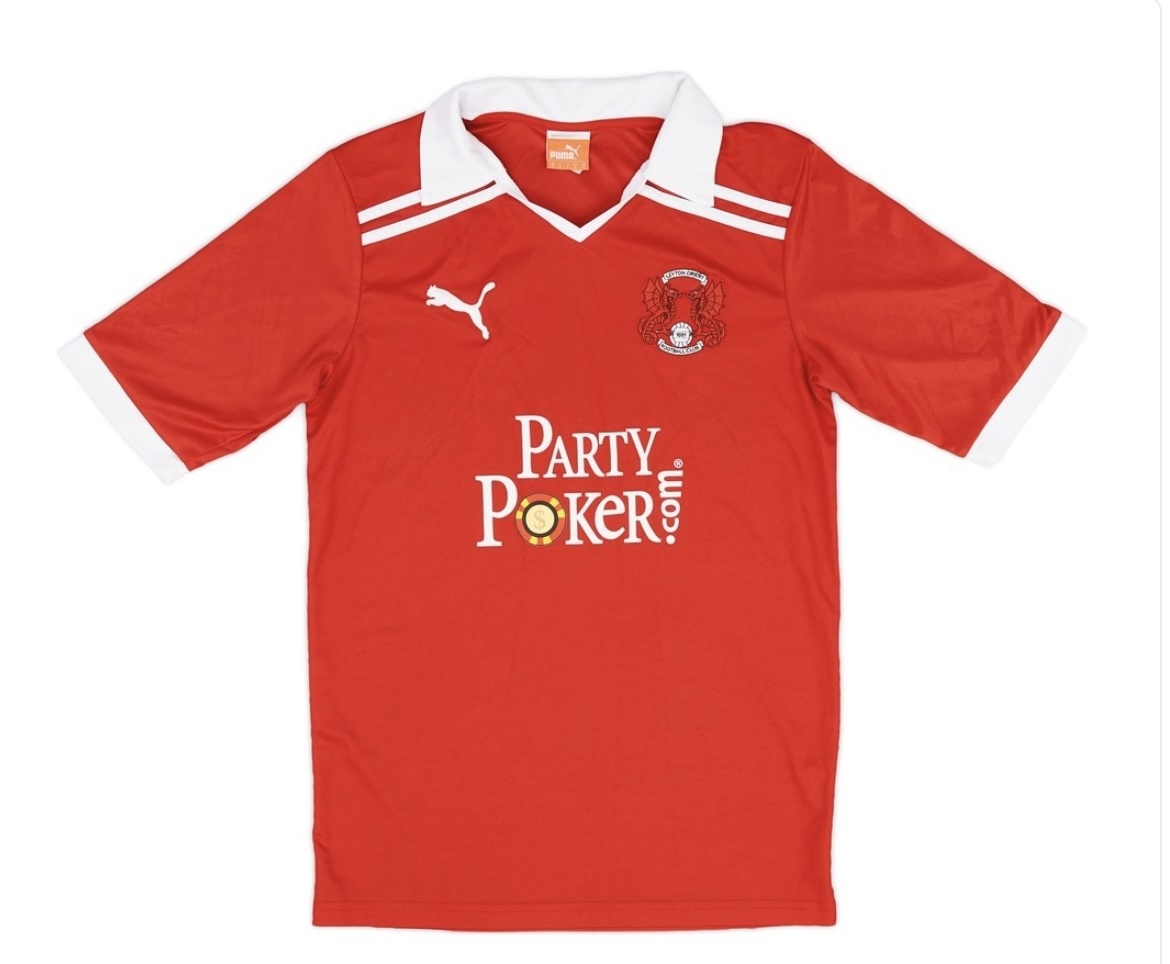

At the bigger clubs, shirts are often part of a global brand. At a club like Orient, a shirt feels more like a personal keepsake to me. Perhaps that is also why I have such a soft spot for smaller clubs and their grounds. They leave room for imagination.
The sense of belonging
When you aren't there every Saturday, you start filling in the missing pieces yourself. You read stories. Look at old photographs. Browse shirts. Learn about former players. Follow supporters. Look at pictures of the ground. And eventually something emerges that is difficult to explain. Belonging. A slightly strange kind of belonging, admittedly.
I am not a Londoner. I didn't grow up in Leyton. I don't know every pub around Brisbane Road. I don't share the same memories as someone who has been going to Orient since childhood. But perhaps being a football supporter doesn't mean that everyone has to have the same story. Perhaps it is enough to create your own.
Mine begins in Germany and leads to East London. It runs through screens, shirts, results, club colours and photographs of a stadium that I have grown fond of from a distance. I know that this way of supporting a club can be complicated.
You miss things and you aren't there when something important happens. You can't simply stay behind at the ground for another hour after the match.
But perhaps distance makes certain things more intense. Because when Brisbane Road suddenly appears on my screen, it isn't just another football ground.
And when an Orient shirt hangs in my wardrobe, it isn't just a shirt. It is a small piece of London that has somehow found its way to Germany.
So, yes, I am a Leyton Orient supporter from afar. It will probably always be slightly complicated. But thanks to social media, the distance is smaller now. And thanks to football, perhaps it doesn't need to disappear completely.
Related Topics

Tom Schmitter Contributor