
The Times They Are A-Changin' (Again)
29.07.26, 12:00 Updated 30.07.26, 19:42 3 Minute Read

Tom Davies
Since last season ended, a couple of developments likely to be of long-term significance to Leyton Orient took place without a word being said about them anywhere in “traditional” media. Friday 8 May brought a wholesale change in the nature of a key development partner in Orient’s new stadium plans, as the Labour leadership of Waltham Forest council was swept out of office and replaced by a more radical Green party administration. Then, in early July came news that our majority owner, David Gandler, had resigned from the Chief Executive role at his own streaming company FuboTV.
It remains to be seen how all this will affect Orient's future. The Club claims to have a good relationship with the new administration, but it was notable how the topic of the new stadium (and the new training ground) was not mentioned at all in the recent Q4 Board Update (after getting extensive coverage in all of the previous three) nor in Gandler's latest address to the fanbase. Although his personal wealth is unlikely to be much affected, the circumstances of Gandler's departure from the company he co-founded do not augur well for his grander ambitions. All of this invites questions that an independent local media outlet would once have at least asked, and got a couple of stories out of. Today though, press boxes are emptier at our level and the clubs themselves dominate the news put out about them. PR 1 - Journalism 0.
Think back through last season’s toils and there were all manner of stories – the departure of Omar Beckles, Martin Ling’s exit, Richie Wellens’ incendiary rant about the players after the Burton season-closer – that could have done with some interrogation by someone paid to report on the club week-in week-out but not paid by the club. Instead, we got sound, fury and endless social media speculation. But we didn’t really feel much the wiser by the end of it.
Laments about the decline of newspapers can sometimes dissolve into grizzled hacks just mourning the passing of time and their youth. The digital revolution has brought huge benefits, not least in the immediacy with which we can gain our news and the interactivity with which we can discuss it. For fans of a club such as ours, “the good old days” involved often waiting five days even for a substantial match report of the game we’d just witnessed. New signings could have had two or three days’ training with their teammates before we even knew they’d arrived.
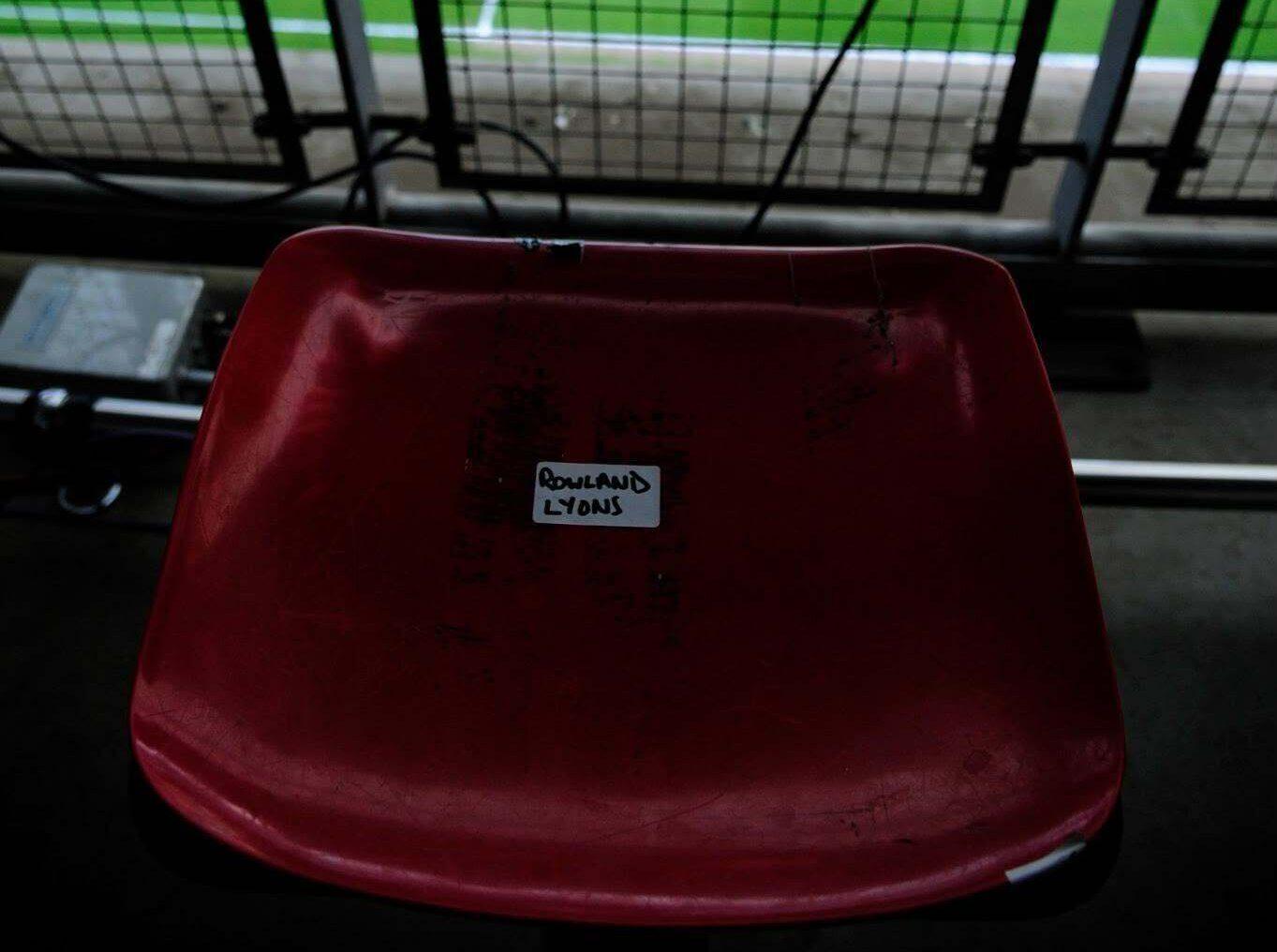
But nonetheless when I first went in an Orient press box, as a young reporter on the Waltham Forest Guardian in the 90s, there were also regulars from the Hackney Gazette, Ilford Recorder and Yellow Advertiser. Now, we’re reliant only on Dave Victor, or George Jones from the club, to ask the questions – for Leyton Orient-hosted media.
This is not to denigrate either of those two, who do their jobs well. And Dulcet Dave, as someone working also for BBC London, is a seasoned and competent broadcaster who interviews well and knows Leyton Orient inside out. He normally asks the right questions. It is, however, a pitiful state of affairs that there are hardly any others.
We shouldn’t romanticise the old state of affairs of course. Local papers, dependent on club access as they were, rarely stuck the boot in. One of the reasons The Leyton Orientear and so many other fanzines sprung up in the late 80s was a sense that established media were failing to interrogate what was going wrong in the game and were crippled by blandness. And you only have to watch the often inane questioning that characterises the Friday Premier League pressers you see on Sky Sports News each week to see that cosiness persisting today.
Yet as recently as 2017, the Waltham Forest Guardian was swinging significant weight behind the campaign against B*cc**ti’s club-wrecking, coordinating with LOFT and showing up at all the various public meetings and court cases. Now, nothing. The emergence of the Waltham Forest Echo, a social enterprise-produced local outlet published in print monthly and regularly updated online, has been a broad positive, and it has produced the occasional specific feature on Orient but its budget clearly can’t sustain a weekly Brisbane Road media presence.
I could rant for England about the local media industry’s relentless short-sightedness and profiteering, how it was slow to adapt to the internet and saw it more as an excuse for cost-cutting and intrusive clickbait than a potentially creative platform, and how we’re all now paying the price for a less reliably informed public sphere. The lack of reporters in the Brisbane Road mixed zone is small beer compared to all that.
But what we desperately need is more critical O’s game analysis, a more rounded view of new signings rather than the club’s naff introductory videos (all clubs do these now, of course), or just a bit more media that independently showcases the club and its worth. In the meantime, I guess, we soldier on with outlets such as this one, dribbling away into its 41st year. If we want something done properly, I guess we’ll have to do it ourselves.
Related Topics
Tom Davies Tom has been a contributor to the Ear since 1987 and was editor from 1993-96, which earned him a cameo role in "Club For A Fiver". He is currently vice-chair of the Leyton Orient Fans' Trust. He works on the Guardian sports desk and is a regular contributor to When Saturday Comes magazine.